

honeycut_mazda5
-
Posts
237 -
Joined
-
Last visited
Everything posted by honeycut_mazda5
-
The Thread on Soundproofing the CX60
honeycut_mazda5 replied to honeycut_mazda5's topic in General Car Chat
Kindly upload a selection of photographs. -
The Thread on Soundproofing the CX60
honeycut_mazda5 replied to honeycut_mazda5's topic in General Car Chat
It is advisable to refrain from engaging in such actions. Butyl has been used for the purpose of soundproofing engine bays for many decades. Mazda does not approve of the installation of Koni dampers on my vehicle, which serves as a reflection of life's circumstances. -
The Thread on Soundproofing the CX60
honeycut_mazda5 replied to honeycut_mazda5's topic in General Car Chat
It is advisable to refrain from engaging in such action. Butyl has been used for the purpose of soundproofing engine bays for many decades. Mazda does not approve of the use of Koni dampers, which is an unfortunate reality. -
The Thread on Soundproofing the CX60
honeycut_mazda5 replied to honeycut_mazda5's topic in General Car Chat
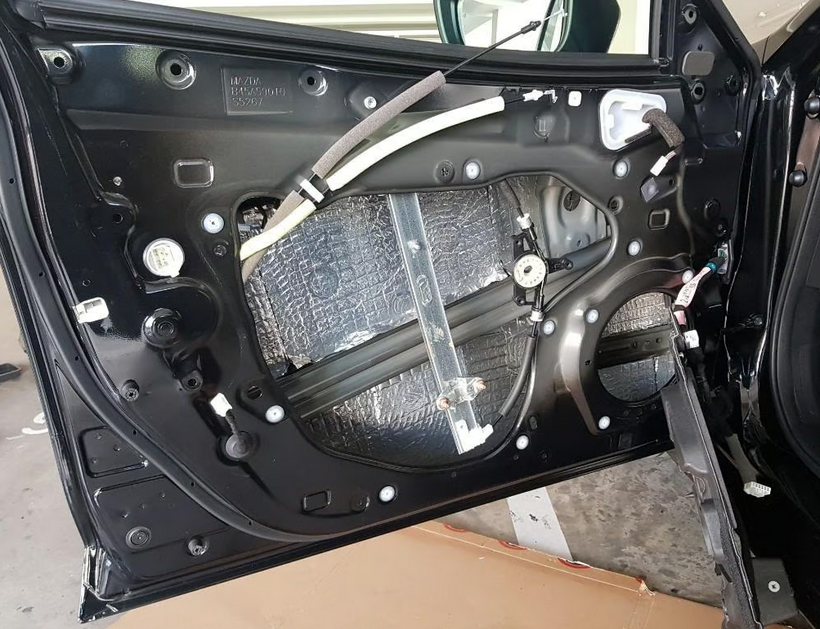
The manner in which the door card must be removed renders it susceptible to potential breaking from above, but the process is rather straightforward provided one has the requisite knowledge. The time-consuming aspect lies in the laborious process of extracting the internal systems. Individuals who own early vehicle identification numbers (VINs) who have not yet had the door insulation technical service bulletin (TSB) installed may consider requesting their dealer to use the Killmat, provided by the customer, and to extend the coverage on the doors. Although it may involve an additional expense beyond Mazda's payment for the Technical Service Bulletin (TSB), the benefits derived from this investment are significant. -
The Thread on Soundproofing the CX60
honeycut_mazda5 replied to honeycut_mazda5's topic in General Car Chat
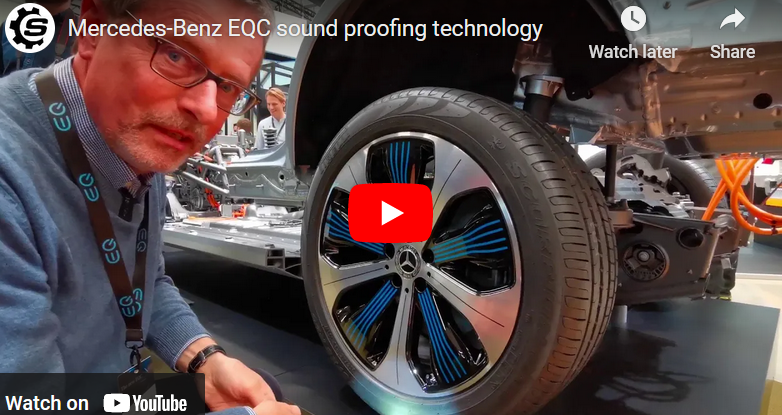
The video I saw was intriguing as it highlighted Mercedes' use of a diverse array of materials with varying densities to effectively attenuate and impede the transmission of sound inside their automobiles. Attempting to do this task without access to a laboratory would involve a significant amount of trial and error. However, the Killmat, despite its considerable weight, effectively fulfils its intended purpose, although at the cost of increased weight. According to the information I discovered, Mazda has implemented little soundproofing measures in the CX60 model.
-
The Thread on Soundproofing the CX60
honeycut_mazda5 replied to honeycut_mazda5's topic in General Car Chat
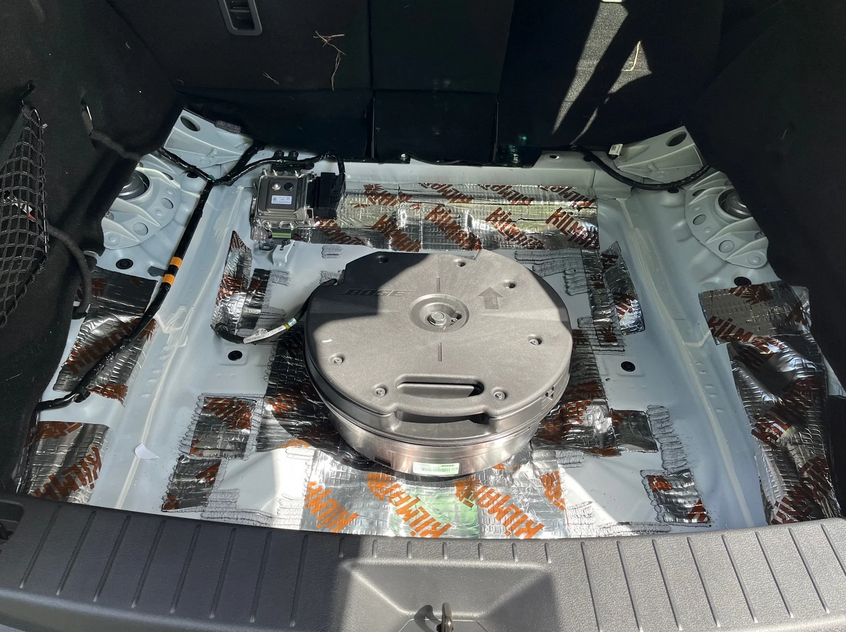
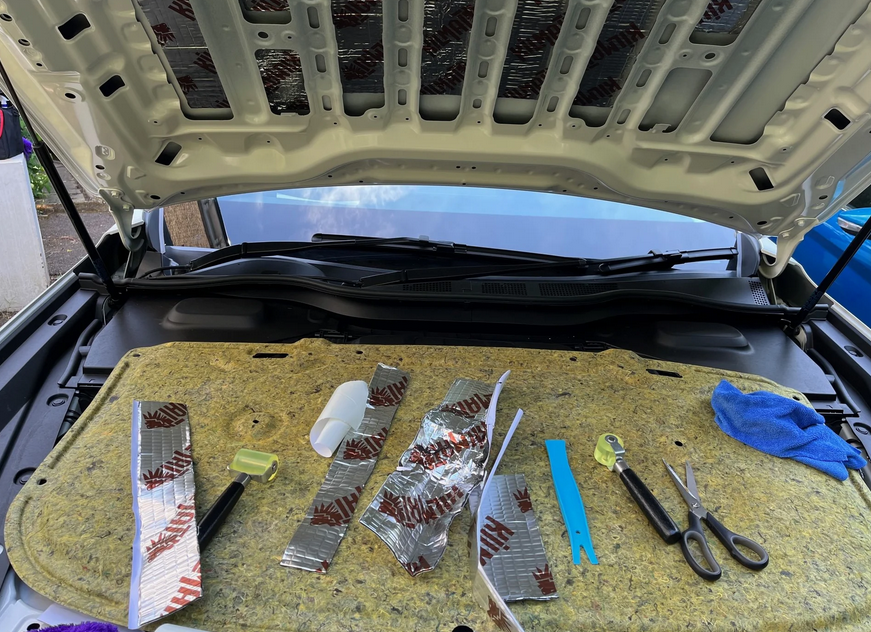
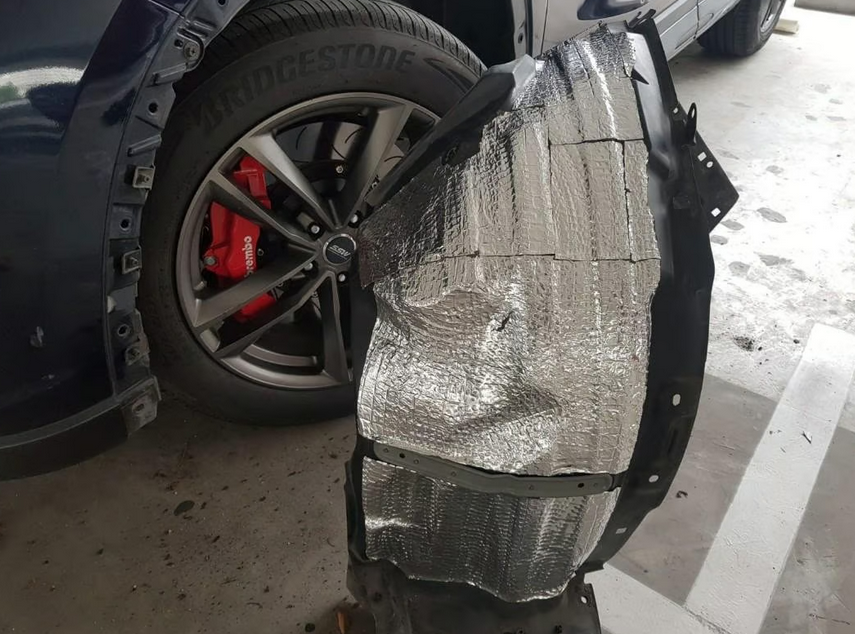
The observed impact is noteworthy, as the vehicle now exhibits a significant reduction in audible noise, with just minimal sounds emanating from the front wheels and engine. The next project will include addressing the front wheel wells and the gearbox tunnel/bulkhead. It is worth noting that owners of plug-in hybrid electric vehicles (PHEVs) may not find it necessary to address the bulkhead, since the noise generated by the 4-cylinder engine is comparatively less pronounced than that of the 6-cylinder engine. The photographs captured do not adequately depict the completed state of the subject due to suboptimal photography. Their primary purpose is to provide a general impression or concept rather than a comprehensive representation. Unfortunately, there are no photographs available depicting the doors in question. However, it is worth noting that the Mazda Technical Service Bulletin (TSB) insulation was removed and replaced with Killmat, which now covers around 90% of the doors. As a result, the doors have gained a substantial amount of weight, comparable to that of Bentley vehicles. The Mazda Technical Service Bulletin (TSB) primarily aimed to mitigate the occurrence of door flex and the resulting tinny sound. While it did achieve this objective to some degree, the overall efficiency of sound insulation was contingent upon factors such as the application technique used by the dealer technician, the quantity of material utilised, and the specific grade employed. The nature of the work exhibits significant variability. Mazda has recently implemented the inclusion of two minuscule 1mm sheets inside the doors, aimed at mitigating the inherent flexion originating from the manufacturing process. However, this modification has shown to have little impact on the overall effectiveness of sound insulation. A noticeable improvement in the reduction of road noise is seen in the doors, as the sound of passing automobiles or traffic is no longer audible from the inside. The visual representation bears resemblance to this. The subsequent region under consideration was the boot floor. There are many reasons why it might be considered aesthetically unpleasing. (This pertains to a Diesel vehicle; however, the configuration of the PHEV boot floor may change, thereby requiring adjustments according on individual circumstances.) One must consider the surrounding regions where the storage bin is located. If these areas are covered, it may result in a little increase in floor height, depending on the thickness of the material used. This may potentially lead to an irregular appearance and cause the floor to exhibit rocking and vibration, which may be undesirable for those with obsessive-compulsive tendencies. By using my chosen method, I achieved a 90% efficacy rate while maintaining a seamless appearance and avoiding any potential complications. Mazda has included a cost-effective and somewhat ineffective spray sound deadener in this vehicle. In contrast, my previous PHEV model lacked such a feature and instead had exposed metal surfaces. Consequently, I choose to address this issue selectively rather than completely removing the sound deadener. One is able to audibly perceive a distressing metallic resonance while tapping various areas of the boot. When the Killmat is included, the resulting sound is characterised by a distinct and substantial "thud." The improvement is significant. Regrettably, I neglected to get a photograph of the completed state of the subject in question, since further additions were made subsequent to the aforementioned photographs being taken. The most prominent observation is to the absence of sound insulation inside the rear wheel arches, namely in the arch and rear quarter. A little quantity of lightweight foam material is used to prevent friction between the carpeted cover and the painted surface, hence serving as the only purpose of its application. When tapped, the arches produce a sound reminiscent of a tin can. The excessive noise generated by the tyres of the CX60, a vehicle with a rear wheel bias, may be attributed to its design characteristics. I made an effort to include a substantial amount of Killmat, however it proved challenging without extensively deconstructing the material. If I were to do the task once again, it is likely that I would be able to handle a greater workload, especially if I were to enlist the assistance of a someone with diminutive hands. Following that, the next item to be discussed was the bonnet. The presence of support welds on the second layer necessitates the use of cut-out portions rather than full sheets for installation. The use of this technology significantly reduced the auditory emissions of the engine in external environments, as well as inside the cabin. Consequently, it effectively eliminated any higher frequency sounds, resulting in a much deeper and more sophisticated auditory experience. However, it is important to remember that this modification does result in a reduction of the pleasing auditory experience produced by the inline-6 engine. Therefore, it is advised to proceed with caution. It is important to acknowledge that the installation of insulation in the automobile results in a redistribution of noise, causing a notable increase in noise emanating from the front tyre wells. Consequently, it becomes necessary to do this insulation procedure at some point in order to achieve noise equilibrium. The audio quality of the stereo has significantly improved, with the subwoofer producing a satisfying bass sound. Additionally, there is no longer a need to increase the volume when driving on the motorway in order to mask the noise generated by the tyres. In general, the cabin exhibits a heightened perception of tranquilly, resulting in reduced fatigue during extended journeys. Moreover, its level of refinement has a striking resemblance to that of the Q5 and X5 models. One notable advantage is that the panels may be seamlessly concealed, making them imperceptible when reinstalled. I believe that the £65 I have invested in enhancing this vehicle is the most advantageous expenditure. The following list presents forthcoming employment opportunities, with updates to be provided in subsequent posts. 1. The matter under consideration pertains to the optimal approach for addressing the front wheel arches. Specifically, the options being weighed include augmenting the arch liner with more material, while taking into account any concerns about the adequacy of the clips for subsequent reinstallation. Alternatively, the object might be placed in the wheel well as seen in the illustration below. The present occupation seems to be more favourable; nonetheless, there is a worry over the ingress of water into the butyl, which may result in its detachment or the accumulation of moisture, possibly leading to future complications. I want to pursue the second option, using butyl roof flashing tape as a means to effectively seal the edges. The bulkhead and gearbox tunnel are two integral components of a vehicle's structure. The bulkhead serves as a partition between the engine compartment and the passenger cabin, providing structural support and ensuring the safety of occupants. It also helps to reduce noise and vibrations from the engine. On the other hand The inclusion of this feature may not be seen necessary for the Plug-in Hybrid Electric Vehicle (PHEV), unless one finds the audible sound produced by the electric vehicle (EV) to be bothersome. However, it should be noted that the 6-cylinder engine does emit a distinct engine sound that may become fatiguing under congested traffic situations and extended journeys. Additionally, the transmission's abrupt noise upon starting the vehicle can be perceived as awkward or uncomfortable. This would include the removal of the seats, centre console, and maybe some components of the dashboard. Undertaking this task is of considerable magnitude, and I have reservations about its potential for success. Consequently, should I want to proceed, this will be the ultimate stage in the process. An alternative approach is the incorporation of sound-absorbing material into the many crevices located behind the dashboard. This method may be executed with relative ease, however with caution to avoid obstructing any ventilation openings, while also ensuring the selected material has fire-resistant properties. Given the presence of a sunroof, the available roof area for soundproofing is limited. Consequently, I want to include a few layers of butyl material at the rear section, followed by the addition of a couple of panes of the aforementioned substance. Individuals who do not own a sunroof are recommended to coat the whole roof, since it is comparable to a container made of tin. The tailboard will be lowered, allowing for the installation of Kilmat in certain areas. Additional resources pertaining to the concept of 'quiet' One example of all-season tyres equipped with noise cancelling technology is the Pirelli Scorpion All Season PCNS. These tyres were specifically developed for use in vehicles manufactured by Jaguar Land Rover. Several other companies provide their own proprietary noise cancelling technology; nevertheless, the availability of the specific tyre size is quite limited.
-
It is well acknowledged that the CX60 has a significant deficiency in terms of insulation and soundproofing. In my perspective, the presence of road noise and tyre roar significantly detracts from the overall pleasant atmosphere inside the vehicle interior. This is particularly disappointing considering the car's designation as a 'luxury' model. However, it is worth noting that these issues can be readily and inexpensively resolved. There are several methods for incorporating soundproofing, with a diverse range of materials. Certain individuals use the technique of deadening, followed by the incorporation of absorbent materials, while others choose for the utilisation of heavy mass substances, such as thick rubber sheets. I wanted an element that might introduce a degree of sophistication, without overtly manifesting itself or necessitating any alterations to carpets, panels, clips, and similar components. Kindly provide your own soundproofing techniques for the CX60 in this discussion, accompanied with relevant visual documentation. I used the 'Stage 1' methodology in my research. The doors and bonnet are equipped with a 2.5mm Killmat material, providing a coverage of 90%. The installation of a 2mm layer of Killmat, together with an additional 2.5mm layer, in the boot and rear wheel wells/arches is being considered. In all, I used a whole box, amounting to an approximate expenditure of £65, and contributed an additional mass of around 7kg.
-
There is a possibility that a coolant leak in the battery thermal management system might result in short circuits inside the battery cells.
-
Based on my analysis, it seems that the issue at hand may be attributed to a failure in the isolation of the high voltage battery. The matter at hand is of a significant nature. This indicates that the system continues to detect elevated voltage levels even when the primary contactors, which may be conceptualised as high-voltage switches, are in an open state. It is essential to locate and replace the battery disconnect module inside the vehicle, which may necessitate replacing the whole integrated high-voltage battery unit if the module is included therein. I lack familiarity with Mazda architecture; yet, it is expected to adhere to the same fundamental principles. An alternative hypothesis to consider is that this occurrence may be a spurious indication of failure. The Mazda SW/Calibration is experiencing some issues. One method for determining the effectiveness of a code clear is to do a test drive and see if the issue reoccurs. In the event that the code is of a latching nature, it is only the dealer that has the requisite equipment to effectively resolve the issue.
-
The guarantee provided is not extended to all individuals for a duration of six years, but rather limited to a period of three years specifically inside the United Kingdom.
-
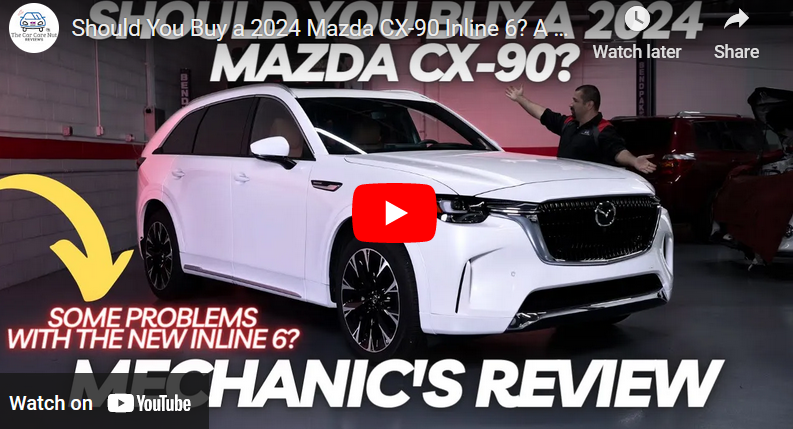
Could you perhaps clarify what you mean by stating that there are no problems? the whole car is a problem. The CX60 model has encountered several issues, while the CX90 model has much more severe difficulties. Please watch the provided video and reconsider your thoughts on the matter.
-
I have successfully determined the appropriate utilisation of airflow for the purposes of ventilation in both window and floor settings, with the additional specification of disabling the recirculation function. The temperature inside the cabin decreases somewhat, prompting me to adjust the heating by a few degrees until I reach a comfortable level.
-
There have been discussions among internet users on the challenges associated with effectively removing sunblock from various surfaces. Have you encountered any difficulties or challenges in relation to that matter?
-
Towels seem to be a viable option as well. Is it challenging for you to maintain them in contact with the posterior surface of the seat? One potential issue that arises is the possibility of experiencing annoyance due to the accumulation of the item in the lower part if a forward-leaning posture is assumed.
-
What strategies are used to maintain cleanliness of vehicle seats while driving under conditions of dirtiness or perspiration? For instance, returning after engaging in mountain bike or trekking activities. I am now exploring the availability of washable and detachable seat coverings that provide the convenience of effortless application and removal. The installation of permanent seat coverings would render the ventilated seats functionally redundant.
-
Inquiry Regarding Fuel Usage in Mazda Diesel Engines
honeycut_mazda5 replied to migueldosantos77's topic in General Car Chat
http://www.carscoops.com/2015/09/mazda-releasesreassuring-statement-on.html -
Inquiry Regarding Fuel Usage in Mazda Diesel Engines
honeycut_mazda5 replied to migueldosantos77's topic in General Car Chat
http://www.bloomberg.com/news/articles/2015-09-30/mazda-s-diesel-dreams-for-u-s-in-doubt-after-volkswagen-scandal -
Inquiry Regarding Fuel Usage in Mazda Diesel Engines
honeycut_mazda5 replied to migueldosantos77's topic in General Car Chat
Apologies for maybe overanalyzing the situation, given the timing of my engagement with this discussion thread. It is anticipated that the sentiment expressed by the majority of those here aligns with your optimistic outlook, including myself. Continue to engage in the act of sharing. -
Inquiry Regarding Fuel Usage in Mazda Diesel Engines
honeycut_mazda5 replied to migueldosantos77's topic in General Car Chat
Although Mazda had a greater decline compared to other companies, this may be attributed to the extent of their financial resources to withstand the challenges faced by the sector as a whole, including the anticipated increase in regulatory expenses. It is important to note that this does not imply a larger likelihood of Mazda engaging in any kind of misconduct. According to an unidentified source, Mazda had previously expressed intentions to introduce diesel engines to the US market in the near future. However, these plans have faced multiple delays and have currently been put on hold in order to maintain the expected performance standards that Mazda customers anticipate. In summary, it is advisable to observe with a vested interest and exercise patience. -
Is NG07YVS Missing or Seen? It's an MPS in red
honeycut_mazda5 replied to CyberMage's topic in General Car Chat
It is also pleasing to see the presence of remarkable automobiles from the period spanning 10 to 15 years ago, during which it was feasible to get a very commendable high-performance compact vehicle such as the Mazda3 MPS for a price below £20,000 when brand new. Considering the current exorbitant prices of automobiles, one cannot help but contemplate the substantial financial implications that would arise from acquiring a comparable vehicle in the contemporary market. -
It is possible that the item in question does not possess turbo functionality.
-
Is the navigation system a worthwhile investment?
honeycut_mazda5 replied to TechnoTrailblazer's topic in General Car Chat
The use of SD cards for maps and navigation purposes yields a suboptimal experience, at best. One benefit of using the Mazda navigation system is that the instructions are shown on the heads-up display, provided that the car is equipped with this feature. -
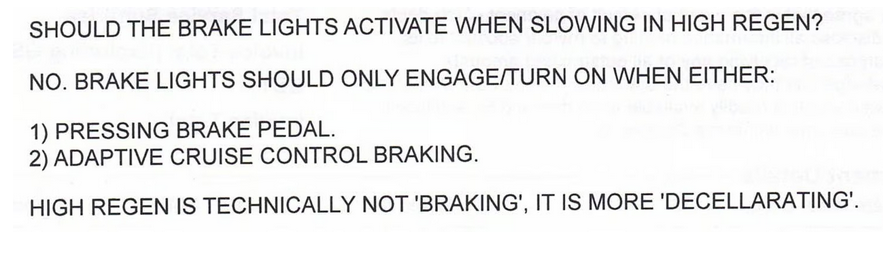
I also possess the same understanding or knowledge. Having been informed that there are no brake lights, I had mistakenly assumed that the brake lights would engage when a decent amount of deceleration occurred.
-
I contacted my dealer to inquire about the absence of brake lights during regenerative braking, since I had a near collision experience with a vehicle following closely behind me as I decelerated in response to a car turning in front of me. The answer provided is included as an attachment.
-
If the information provided indicates that it is a specialized thread, it may be concluded that this is not the case. The user's text is an expression of amusement. From a technical standpoint, if one were to adhere strictly to the guidelines set by vehicle manufacturers at their respective dealerships, it is specified that the threading mechanism is designed to be loosened under a certain level of external force. In order to address this issue, it is recommended that individuals use a thread with a reduced weight. However, it is advisable to refrain from making any assumptions about the pricing or availability of a particular thread unless the supplier explicitly communicates this information or indicates that it is only available for purchase in bulk quantities. Furthermore, this statement is not accurate.